


Latest Blogs
Blog
New Spanish law requires risk assessment
-
19 ноября 2025
New Spanish law requires risk assessment
The measure affects more than 350,000 households, and non-compliance may result in fines ranging from €2,451 to €49,180.
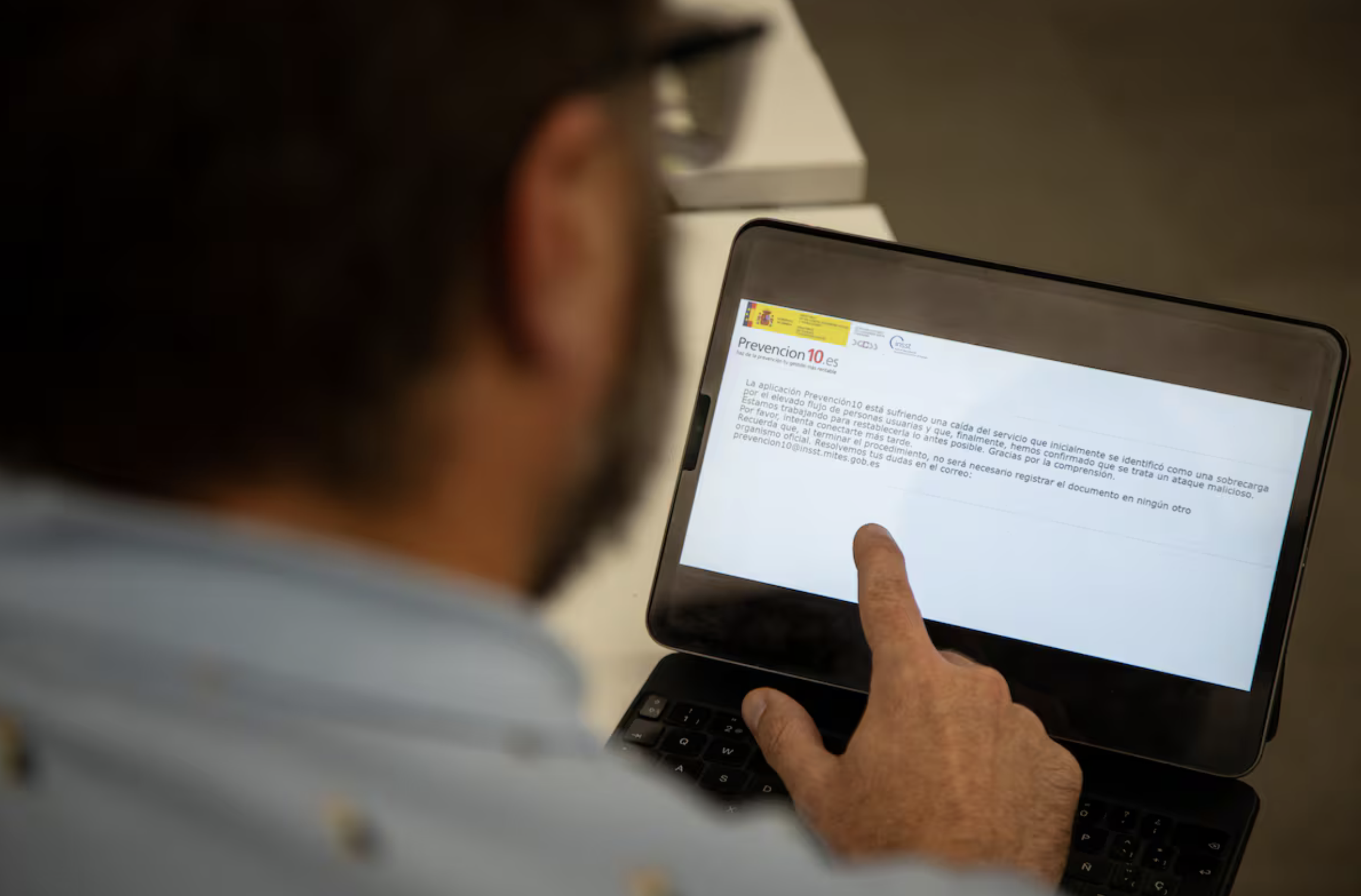
The requirement is linked to the launch of the government’s online platform Prevención10.es, created following the September 2024 decree that, for the first time, granted domestic workers the legal right to safe and regulated working conditions.
Why is Spain tightening the rules?
According to the Labour Inspectorate, violations of domestic workers’ rights remain widespread. Reported cases include:
• restricting access to showers or toilets
• requiring workers to use aggressive chemicals without protective equipment
• lack of gloves, masks, or proper work clothing
• forcing workers to purchase their own uniforms
• assigning unsafe tasks (window cleaning, ironing, heavy lifting) without basic safety measures
Spain’s Minister of Labour described such conditions as “incompatible with an advanced democracy.”
Since 2022, domestic workers have had access to unemployment benefits; now they are also gaining full workplace protection.
Who must comply?
The obligation applies to all employers who hire:
• live-in housekeepers (con interna)
• part-time domestic helpers
• nannies
• caregivers
Importantly, only the employer can complete the risk assessment. Domestic workers are not permitted to pay for or perform this process themselves.
How the risk assessment works
The procedure is entirely online and includes several steps:
1. Registration
The employer creates an account in the Servicio del Hogar Familiar section on Prevención10.es.
2. Entering employee details
The employer specifies the number of domestic workers employed in the household.
3. Completing the questionnaire
The platform asks about:
• housing conditions (lighting, stairs, ventilation, access to sanitary facilities)
• use of cleaning chemicals
• tasks performed (ironing, cooking, caregiving, lifting)
• available equipment and its condition
4. Automatic evaluation
The system assigns a risk level:
🔴 red — high risk, immediate action required
🟡 yellow — medium risk
🟢 green — compliant
The platform then provides specific recommendations: replacing toxic cleaning products, ensuring access to sanitary facilities, supplying gloves and masks, providing a safe step ladder, or reorganizing tasks. Most recommendations do not require significant financial investment.
5. Receiving the official report
Once completed, the employer downloads the official PDF report. It must be:
• stored at home
• provided to the domestic worker
• presented to the Labour Inspectorate upon request
Penalties for non-compliance
According to the Ministry of Labour:
• Minimum fine: €2,451
• For repeated offences or serious risks: €24,586 to €49,180
Additional resources
The platform provides:
• training materials on occupational safety
• guidance on protective equipment
• instructional videos and checklists
• STOP Occupational Risks helpline: +34 913 634 300 (Mon–Fri, 9:00–14:00)
What changes in November?
Every household employer in Spain will be required to:
• conduct a risk assessment of working conditions
• eliminate identified risks
• ensure a safe working environment
• store the official report and provide a copy to the worker
This marks a significant step toward aligning domestic workers’ rights with those of other employees in Spain.
A final question to consider:
Will similar requirements eventually reach other countries as well?
